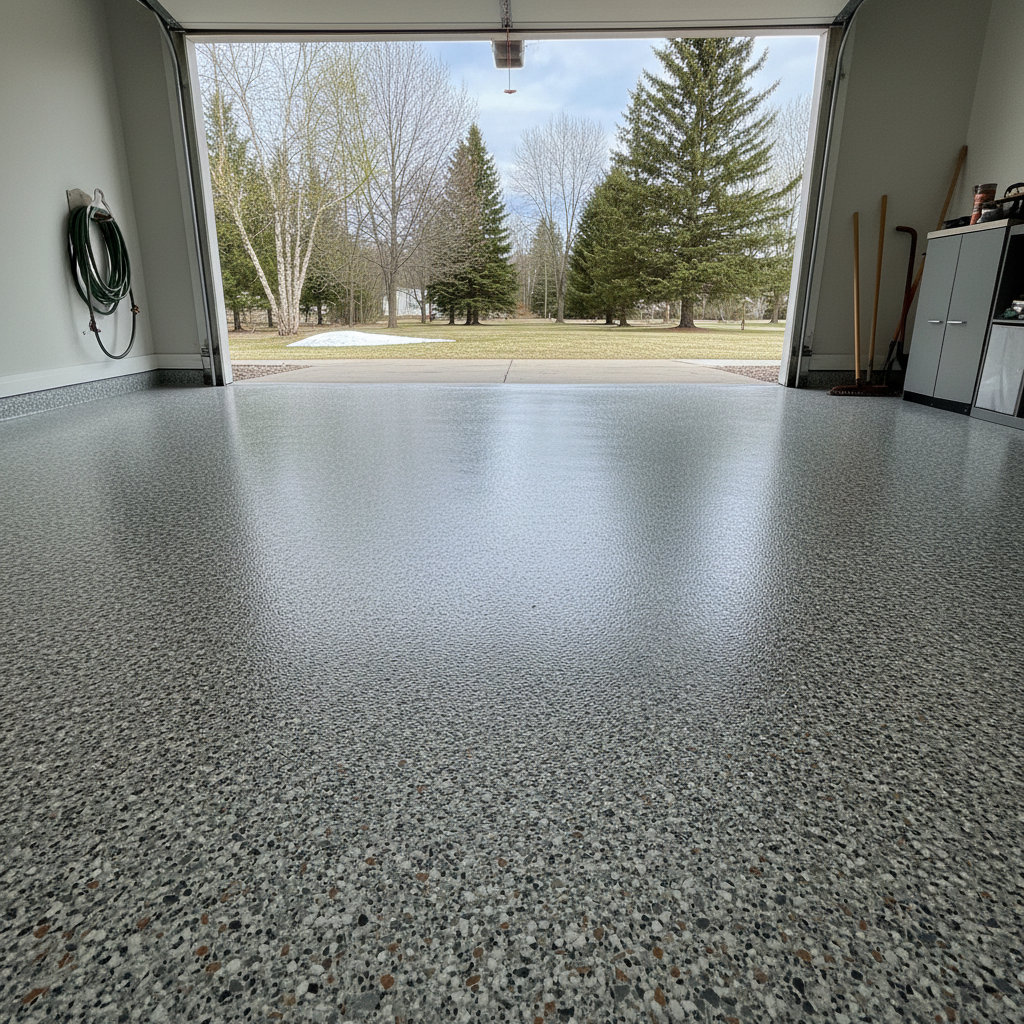
So, you’ve got a fantastic new garage floor coating. Maybe it’s from us here at Oasis Concrete Coatings, or maybe another reputable outfit put it in. Either way, that’s a smart move. It looks sharp, protects your concrete, and makes cleanup a breeze. But a coating isn't really a 'set it and forget it' kind of deal, especially up here in Cloquet where winter throws everything it’s got at us. You want that investment to last, right? Let's talk about how to make sure it does.
Making Your Coating Last Longer: The Basics
The biggest thing you can do to extend the life of your garage floor coating is pretty simple: just be mindful of what you're doing on it. Heavy impacts, sharp objects, and certain chemicals are your coating's worst enemies.
- Don't drag heavy stuff: If you're moving a workbench or a heavy tool chest, lift it. Or put it on furniture sliders. Don't just drag it across the floor, okay? That's a surefire way to scuff or gouge the surface.
- Watch out for sharp impacts: Dropping a wrench from shoulder height? Probably fine. Dropping a sledgehammer point-first? Well, you're asking for trouble there. Be careful with those heavy, sharp tools.
- Chemical spills: This is a big one. Antifreeze, brake fluid, oil, gas – these are all common in garages. While good coatings resist them, they're not indestructible. Clean up spills quickly. Don't let them just sit and soak. Usually, a quick wipe with a rag and some mild soap and water is all it takes.
- Hot tires: This is less of an issue with modern polyurea or high-quality epoxy coatings, but it's still worth mentioning. If you've just driven a long way on a hot summer day, your tires can get incredibly hot. Parking on a fresh, uncured coating or a very cheap one can sometimes cause issues. With a properly installed, high-quality coating, you shouldn't have to worry much about this, but it’s good to be aware.
Regular Maintenance: Keeping it Clean
This is where the Cloquet climate really comes into play. We get snow, ice, sand, salt, and all sorts of crud tracked into our garages. Regular cleaning isn't just about looks; it's about preventing abrasive grit from wearing down your coating over time.
- Sweep or blow regularly: Especially in winter, you'll accumulate sand, salt, and dirt. Get it out of there. A soft-bristle broom or a leaf blower works great. Do this at least once a week, more often if you're tracking in a lot of slush.
- Mop when you need to: For general grime, a mop with warm water and a mild, pH-neutral cleaner is perfect. Think simple dish soap, not harsh degreasers or abrasive cleaners. Stay away from anything with acids (like vinegar) or citrus-based solvents; they can dull the finish over time.
- Hose it down: If you've got a floor drain, a good rinse with a garden hose can do wonders, especially after a muddy spring. Just make sure you squeegee the water out to prevent standing puddles, which can leave mineral deposits as they dry.
- Spot cleaning: For oil drips or stubborn spots, a little elbow grease with a soft brush and your mild cleaner should do the trick.
Seriously, keeping up with the grit and grime is probably the single most important thing you can do. That sand and salt from Highway 33 doesn't just disappear; it sits there, getting ground into your floor every time you walk or drive over it.
Warning Signs of Trouble: What to Look For
Even with the best care, sometimes things happen. Knowing what to look for can help you catch small problems before they become big, expensive ones.
- Dull spots: If an area starts to look noticeably duller than the rest, it could be a sign of surface wear from abrasive grit, or maybe a chemical spill that wasn't fully cleaned.
- Peeling or delamination: This is when the coating starts to lift away from the concrete. It often starts at edges or where there's been a lot of impact. This usually points to an issue with the original prep work or a significant failure of the coating itself.
- Cracks or chips: Small chips can happen from dropped tools. Larger cracks might indicate movement in the concrete slab underneath, which is a more serious structural issue.
- Stains that won't come out: If you've cleaned a spill promptly and thoroughly, but a stain remains, it might mean the coating's protective layer has been compromised.
Don't ignore these things. A small chip can let moisture get under the coating, and with our freeze-thaw cycles here in Northern Minnesota, that moisture can expand and cause more widespread delamination.
When to Call a Professional
You're handy, I get it. But some things are best left to the pros. Here's when you should probably pick up the phone and call someone like us at Oasis Concrete Coatings:
- Widespread peeling or delamination: If large sections of your coating are lifting, it's not a simple patch job. This often requires grinding down the affected area and re-applying, which needs specialized equipment and expertise.
- Deep cracks in the concrete: If your concrete slab itself is cracking, especially if the cracks are wide or show signs of movement, that's a structural issue that needs assessment beyond just the coating.
- Significant damage from chemical spills: If a strong chemical has eaten through the coating, you'll need professional repair to ensure the concrete underneath is protected again.
- You're just not sure: If you see something that doesn't look right and you're not confident in fixing it yourself, it's always better to get a professional opinion. We’d rather you call us for a quick look than try a DIY fix that makes the problem worse.
Look, a good garage floor coating is built to last. With a little common sense and regular cleaning, yours will keep looking great and protecting your concrete for years to come, even through our tough Cloquet winters. Take care of it, and it'll take care of you.